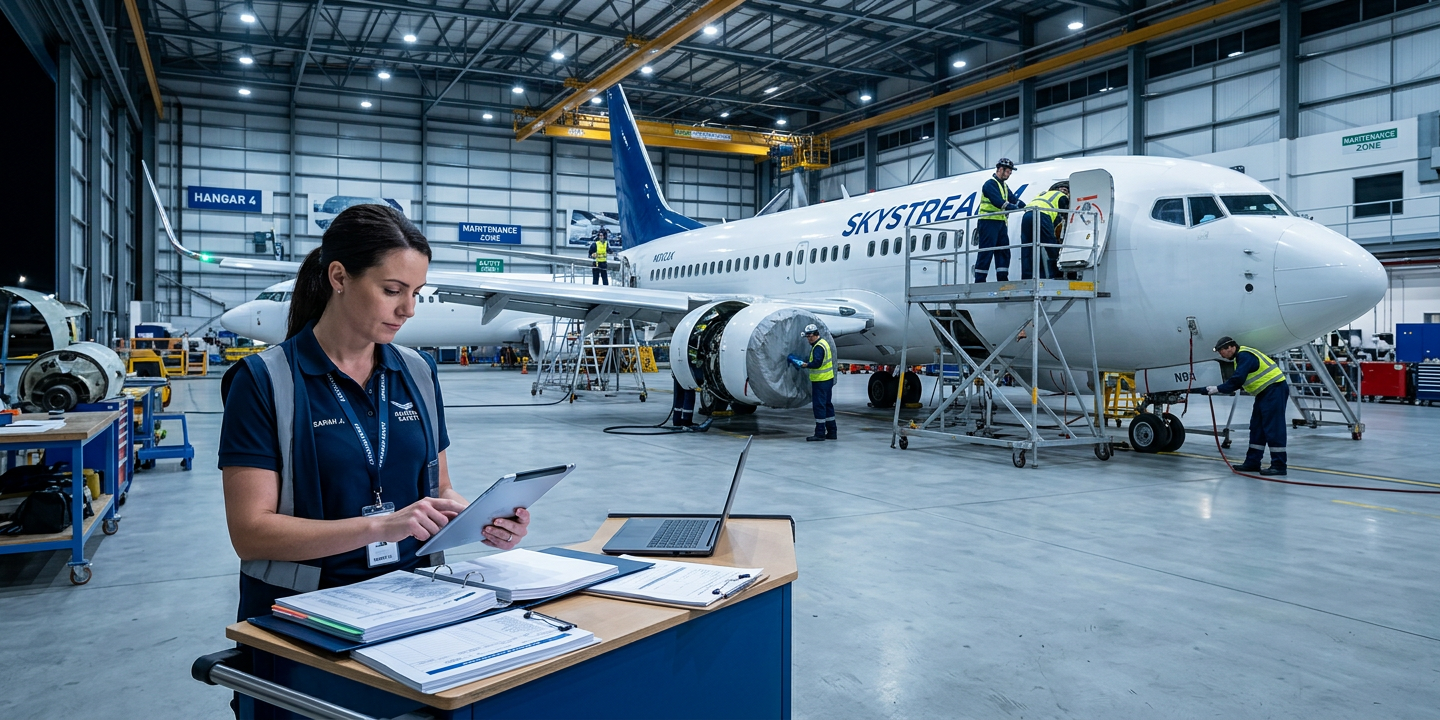
Commercial aviation runs on precision, and compliance is where that precision gets tested. For operators, lessors, MROs, and international buyers, commercial aircraft compliance auditing is not just a box to check, it is a practical way to reduce risk, protect asset value, and keep aircraft moving without expensive surprises.
If you have ever been asked to verify records before a lease return, confirm an import or export path, or prepare for a regulatory review, you already know the pressure. The best audits do more than identify gaps, they create a clear picture of airworthiness, maintenance status, and documentation health so your team can make better decisions faster.
What Commercial Aircraft Compliance Auditing Covers
A strong audit looks at both the aircraft and the paperwork behind it. That means reviewing maintenance records, airworthiness directives, service bulletins, inspections, structural checks, component traceability, and operator-specific obligations.
It also means checking whether the aircraft’s records tell a complete story. Missing logbook entries, unclear repair data, or inconsistent compliance tracking can create delays in delivery, financing, registration, or lease-end negotiations.
Core areas most audits examine
- Airworthiness status and records continuity
- Scheduled and unscheduled maintenance tracking
- AD and SB compliance status
- Damage history and repair documentation
- Component and parts traceability
- Life-limited part tracking
- Cabin, structural, and corrosion inspections
- Import, export, and registration readiness

Why Auditing Matters for B2B Aviation Buyers and Operators
For airlines and fleet managers, auditing helps protect dispatch reliability and reduce operational disruption. For lessors and aircraft sellers, it supports valuation, sale readiness, and stronger lease-return outcomes. For buyers, it helps avoid inheriting hidden maintenance liabilities.
Here is the thing, the aircraft may look ready, but if the records are incomplete or inconsistent, the transaction can still fall apart. That is why auditing is often the difference between a smooth closing and a costly delay.
Business outcomes tied to good compliance reviews
- Faster aircraft transactions
- Better confidence in aircraft valuation
- Fewer surprises during lease return or redelivery
- Stronger maintenance planning
- Lower risk during import and export certification
- Improved readiness for FAA or authority scrutiny
Common Compliance Gaps Found During Audits
Even well-run fleets can have issues. The most common problems are not always mechanical, they are often documentary.
Frequent findings include
- Incomplete logbook history
- Missing or poorly filed work orders
- Unclear sign-offs for repairs or inspections
- Gaps in major alteration or repair records
- Unsupported component installations
- Unresolved corrosion or fatigue items
- Inconsistent compliance with operator programs
These issues can affect aircraft eligibility for lease return, resale, or regulatory transfer. They can also slow down maintenance forecasting because the real condition of the aircraft is harder to confirm.
How a Compliance Audit Supports Import, Export, and Lease Return
Aircraft moving across borders or changing hands need especially careful review. Import and export certification can depend on accurate records, maintenance status, and evidence that the aircraft meets the receiving authority’s expectations.
Lease return audits are just as important. Lessors want proof that the aircraft is being returned in the required condition, with documentation that supports value retention. Buyers and sellers need to know where the aircraft stands before they negotiate price or delivery terms.
Typical use cases
- US import or export certification support
- Aircraft redelivery preparation
- Pre-purchase technical evaluation
- End-of-lease verification
- Records review for valuation and financing
- Special flight permit preparation when needed
A Practical Audit Process That Works
A good audit follows a structured path. First, define the scope. Then gather records, compare them against the aircraft status, identify gaps, and build a corrective action plan.
Step-by-step approach
- Define the objective, such as lease return, purchase, or import/export.
- Collect logbooks, maintenance records, and component histories.
- Review compliance against applicable regulations and operator requirements.
- Flag missing documents, overdue tasks, and traceability issues.
- Prioritize findings by operational and financial risk.
- Close gaps with corrective actions and final verification.
The value is not only in finding problems. It is in turning those findings into a clear action plan that your maintenance, technical, and commercial teams can actually use.
What Operators Should Expect From a Qualified Auditor
The right auditor should understand both regulation and real-world operations. They should be able to interpret records, spot red flags quickly, and communicate findings in a way that helps you act.
Look for these capabilities
- Deep knowledge of aircraft maintenance records
- Experience with airworthiness certification and regulatory processes
- Familiarity with lease return standards and valuation concerns
- Ability to support import and export documentation
- Strong technical judgment and communication skills
That is especially important when timing matters. A good auditor can help you avoid last-minute discovery of missing information that could have been resolved weeks earlier.
FAQ
How often should commercial aircraft compliance audits be done?
The best schedule depends on the aircraft type, operator program, transaction cycle, and regulatory exposure. Many organizations audit before major events such as lease return, sale, import, export, or heavy maintenance.
Is a records review enough, or does the aircraft need a physical inspection too?
In many cases, both are needed. Records show compliance history, while a physical inspection verifies current condition, damage status, and visible maintenance concerns.
What is the biggest risk if audit findings are ignored?
The biggest risk is usually cost. Unresolved gaps can reduce resale value, delay delivery, trigger extra maintenance, or create compliance problems during authority review.
Can an audit help with aircraft valuation?
Yes. A clean compliance history and complete records can support stronger valuation, while missing or inconsistent records can lower buyer confidence and price.
What makes lease-return audits different from standard inspections?
Lease-return audits focus on the redelivery conditions in the lease agreement, including records completeness, maintenance status, component condition, and any required corrective actions.
Do international operators need special attention for US import or export?
Yes. Cross-border transactions often require careful documentation review, and the import or export path may involve additional regulatory and technical steps.
Work With a Team That Understands Aviation Compliance
If your operation needs support with records review, airworthiness certification, lease-return verification, or technical auditing, Air Tech Consulting can help you move with confidence. The right review now can save time, money, and stress later.
Visit Air Tech Consulting to learn more about FAA DAR services, technical support, and aircraft compliance solutions built for real-world aviation transactions.
Final Takeaway
Commercial aircraft compliance auditing is not just about finding mistakes. It is about protecting aircraft value, reducing operational risk, and giving decision-makers a clear picture of what is truly happening with the asset. For airlines, lessors, MROs, buyers, and international operators, that clarity is worth a lot.
When the records are clean and the compliance path is clear, everything else gets easier, from financing to delivery to long-term planning.